




















































































































































































































































































































































































































































































































































































































































































































































































































































































































































































































How to Choose the Right Influencer Marketing Platform for Your Brand in 2026
A decade ago, influencer marketing was relatively straightforward. Brands searched Instagram, reached out to creators through direct messages, negotiated partnerships over email, and hoped the campaign delivered results. For a handful of collaborations, that approach was manageable. Today, it simply isn’t.
The creator economy has grown into a multi-billion-dollar industry, with millions of influencers producing content across Instagram, TikTok, YouTube, LinkedIn, Pinterest, Twitch, and emerging social platforms. At the same time, consumer expectations have evolved. Audiences are no longer impressed by celebrities endorsing products they rarely use. Instead, they gravitate toward creators who build genuine communities, offer honest opinions, and consistently produce engaging content.
For brands, this shift has made influencer marketing both more powerful and more complicated. Finding the right creators is only the beginning. Marketing teams must also verify audience authenticity, negotiate contracts, manage product shipments, approve content, process payments, monitor campaign performance, and measure return on investment. What once required a few emails can now involve dozens of stakeholders, hundreds of creators, and thousands of data points.
This growing complexity explains why influencer marketing platforms have become one of the fastest-growing categories in marketing technology. But with dozens of platforms claiming to be the “best,” choosing the right one can feel overwhelming.
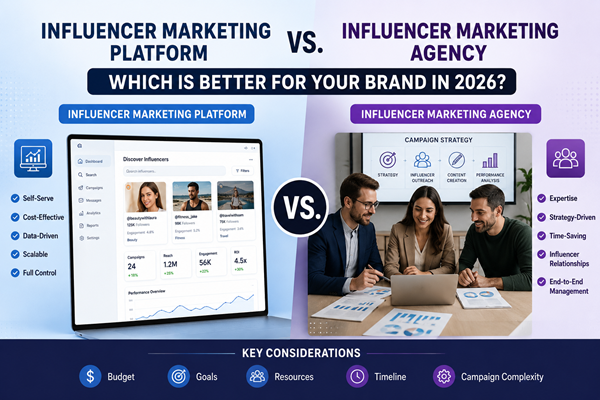
The reality is that there isn’t a single platform that’s perfect for every business. The ideal solution depends on your company’s size, marketing goals, campaign volume, budget, and internal resources. A platform designed for a global fashion retailer may be unnecessarily complex for a startup launching its first influencer campaign, while software built for small businesses may lack the advanced capabilities an enterprise brand needs.
So, how do you choose the right influencer marketing platform? The answer lies in understanding your business before comparing software.
Start With Your Marketing Goals, Not the Software
One of the biggest mistakes brands make is evaluating platforms based on feature lists alone. It’s easy to be impressed by AI-powered creator discovery, automated workflows, or advanced analytics dashboards. However, even the most sophisticated platform won’t deliver results if it doesn’t align with your marketing objectives.
Before researching vendors, ask yourself a few important questions.
Are you trying to increase brand awareness, generate online sales, produce user-generated content, launch a new product, or build long-term ambassador relationships? Each objective requires different capabilities.
For example, an eCommerce brand focused on revenue attribution will benefit from a platform that integrates with Shopify and tracks conversions. A B2B software company, on the other hand, may prioritize identifying industry experts on LinkedIn or YouTube over Instagram lifestyle creators.
Defining success early makes it much easier to eliminate platforms that don’t fit your strategy.
Consider the Size of Your Business
Not every platform is built for every organization.
Startups often assume they need the same software used by Fortune 500 companies, but enterprise platforms usually come with higher costs, longer implementation times, and features that smaller teams may never use.
If you’re a small business or startup, simplicity often matters more than complexity. Look for platforms that are easy to set up, offer transparent pricing, and provide essential features like influencer discovery, outreach, campaign tracking, and basic analytics.
Growing direct-to-consumer brands typically need more automation. As campaign volume increases, manually managing creator relationships becomes increasingly difficult. Platforms that automate outreach, product gifting, affiliate links, and reporting can save dozens of hours every month.
Enterprise organizations face entirely different challenges. Large brands often run campaigns across multiple countries, languages, and product categories. They require advanced permissions, team collaboration tools, fraud detection, compliance workflows, and deep analytics. In these cases, scalability becomes just as important as functionality.
Look Beyond the Size of an Influencer’s Audience
Many first-time marketers make the mistake of choosing creators based primarily on follower count. The same mistake can happen when selecting software.
A platform that boasts access to hundreds of millions of creators sounds impressive, but database size alone doesn’t guarantee better results. What matters is the quality of the search engine behind that database.
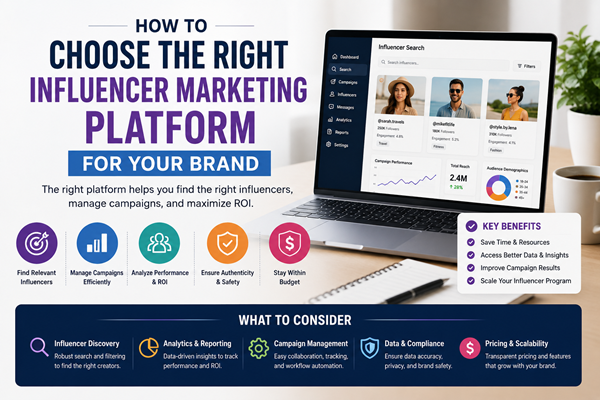
The best influencer marketing platforms allow brands to search using highly specific criteria. Instead of simply filtering by followers, marketers should be able to narrow creators by engagement rate, audience demographics, location, language, niche, interests, brand affinity, audience quality, and previous collaborations.
This level of precision dramatically increases the chances of finding creators who genuinely connect with your target audience.
Prioritize Data Over Popularity
Influencer marketing has become increasingly data-driven. Successful campaigns are no longer judged solely by likes or views but by measurable business outcomes.
When comparing platforms, pay close attention to the analytics they provide. Can they measure conversions? Do they track sales generated by each creator? Can they identify fake followers or suspicious engagement patterns? Do they offer audience demographic insights?
The strongest platforms help brands answer questions that directly impact business decisions rather than simply presenting attractive dashboards.
Reliable data also improves future campaigns. Instead of guessing which creators performed well, brands can use historical performance to build more effective partnerships over time.
Automation Is Becoming a Competitive Advantage
Marketing teams are expected to do more with fewer resources, making automation increasingly valuable.
In 2026, leading influencer marketing platforms automate much more than creator discovery. They help send personalized outreach emails, manage product shipments, generate affiliate links, schedule reminders, process payments, collect content approvals, and produce campaign reports.
While automation shouldn’t replace human relationships, it can eliminate repetitive administrative work, allowing marketers to focus on strategy and creativity.
The best platforms strike a balance between automation and personalization, making campaigns more efficient without making them feel robotic.
Don’t Ignore Integration Capabilities
Influencer marketing rarely operates in isolation.
Campaign data often needs to connect with eCommerce platforms, CRM systems, email marketing tools, social media management software, and business intelligence dashboards.
Choosing a platform that integrates with your existing technology stack reduces manual work and provides a clearer picture of marketing performance.
For example, connecting influencer campaigns directly with Shopify allows brands to attribute sales to specific creators, making ROI calculations significantly more accurate.
Think About the Next Two Years, Not Just Today
Many businesses evaluate software based on their current needs rather than future growth.
A platform that feels perfect today may become limiting as campaign volume increases. Switching software later can mean migrating creator databases, historical campaign data, workflows, and reporting systems.
Instead, ask whether the platform will still meet your needs after doubling your influencer budget or expanding into new markets.
Scalability isn’t only about handling more campaigns. It’s about supporting more users, additional integrations, better analytics, and increasingly sophisticated workflows as your marketing program evolves.
Customer Support Matters More Than You Think
Even the most intuitive software comes with a learning curve.
Responsive onboarding, educational resources, dedicated account managers, and reliable customer support can make the difference between a successful implementation and months of frustration.
Many brands underestimate this factor until they encounter technical issues during a product launch or high-profile campaign.
Reading customer reviews often reveals more about long-term support quality than feature comparisons alone.
The Role of AI in Influencer Marketing
Artificial intelligence has rapidly transformed influencer marketing platforms over the past few years. Rather than replacing marketers, AI is helping them make faster and smarter decisions.
Modern platforms use AI to recommend creators, analyze audience authenticity, detect fraudulent engagement, predict campaign performance, and even suggest outreach messaging.
These capabilities allow brands to spend less time searching through databases and more time building meaningful relationships with creators.
However, AI should enhance human judgment rather than replace it. Authentic partnerships still depend on shared values, creative alignment, and genuine audience trust—qualities that algorithms alone cannot fully evaluate.
Final Thoughts
Choosing the right influencer marketing platform isn’t about finding the software with the longest feature list or the largest influencer database. It’s about selecting a solution that aligns with your marketing strategy, simplifies campaign management, and helps your team build authentic relationships with creators.
For smaller businesses, ease of use and affordability may be the deciding factors. Growing eCommerce brands often benefit from platforms with strong automation and sales attribution, while enterprise organizations require scalable infrastructure, advanced analytics, and collaborative workflows.
The influencer marketing landscape will continue to evolve as AI, social commerce, and creator-led communities reshape how brands connect with consumers. Investing in the right platform today isn’t just about improving your next campaign—it’s about building a sustainable creator marketing strategy that can grow alongside your business.
The best platform is ultimately the one that allows your team to spend less time managing spreadsheets and more time creating meaningful partnerships that deliver measurable business results.