

























































































































































































































































































































































































































































































































































































































































































































































































































































































































































Best Influencer Marketing Platforms for Brands in 2026
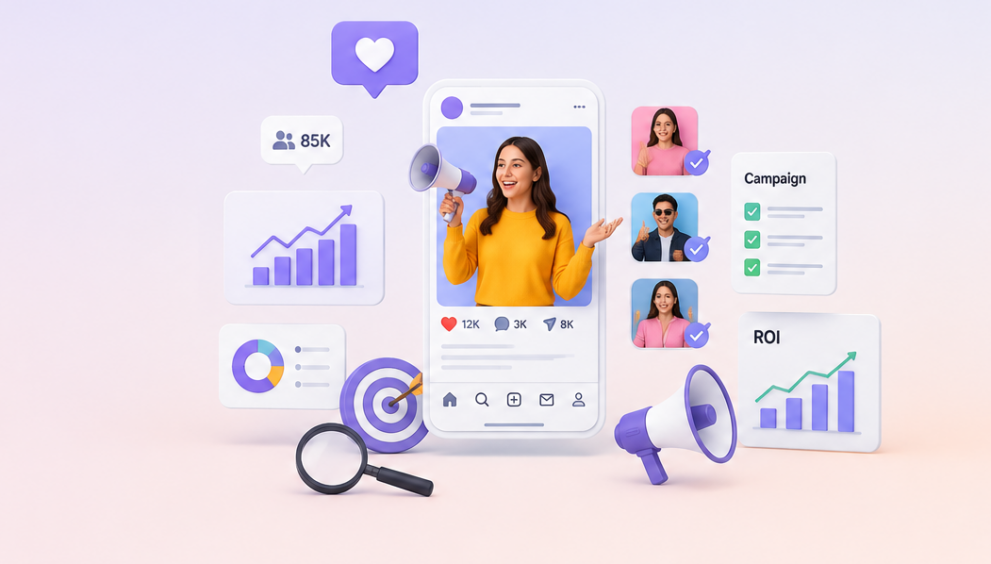
Influencer marketing has changed dramatically over the past few years. What was once a tactic dominated by celebrity endorsements and one-off sponsored posts has become a sophisticated performance channel that brands now use to build trust, generate leads, and drive measurable sales. In 2026, the brands winning with influencer marketing are not necessarily the ones spending the most money; they are the ones using the right platforms to find authentic creators, manage relationships at scale, and understand exactly what their campaigns are delivering.
For marketers, this shift has created both opportunity and complexity. A brand can now work with creators across Instagram, TikTok, YouTube, LinkedIn, and emerging social channels, but managing those relationships manually quickly becomes overwhelming. Contracts, payments, content approvals, affiliate links, product seeding, and ROI reporting can easily consume more time than the creative campaign itself.
That is why influencer marketing platforms have become essential. The best platforms do far more than connect brands with creators. They act as relationship managers, analytics dashboards, payment processors, and campaign command centers. For a growing D2C brand, the right platform can streamline product gifting and affiliate sales. For a global enterprise, it can coordinate hundreds of creator partnerships across multiple regions while protecting brand safety and measuring performance in real time.
After reviewing the leading options for 2026, several platforms stand out for their ability to help brands scale influencer marketing without losing the authenticity that makes creator partnerships effective in the first place.
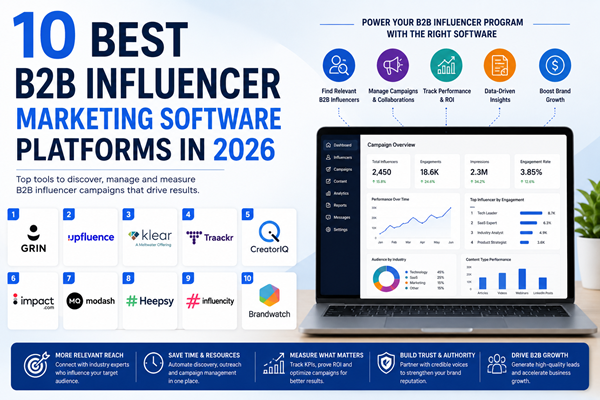
A quick look at the leading platforms
|
Platform |
Best for |
What makes it stand out |
|---|---|---|
|
GRIN |
D2C and eCommerce brands |
Strong creator relationship management and Shopify integrations |
|
CreatorIQ |
Enterprise brands |
AI-powered discovery, brand safety, and global campaign management |
|
Aspire |
Growing brands |
All-in-one workflow for discovery, outreach, gifting, and analytics |
|
Upfluence |
Shopify and affiliate marketing |
Combines influencer discovery with revenue attribution |
|
Traackr |
Data-driven enterprises |
Advanced ROI reporting and competitive benchmarking |
|
Influencity |
Small and mid-sized businesses |
Affordable discovery and campaign management tools |
What brands should look for in 2026
The most useful influencer marketing platform is not always the one with the biggest creator database. Brands need tools that fit the way they actually run campaigns. In 2026, the strongest platforms combine creator discovery with practical workflow tools, analytics, and relationship management.
A good platform should help marketers find creators whose audiences genuinely match the brand’s target customers. It should also make outreach, contract management, content approvals, payments, and performance tracking easier. Increasingly, AI-powered recommendations and fraud detection are becoming standard expectations, not premium extras.
1. GRIN
For brands selling directly to consumers, GRIN remains one of the strongest options in 2026. GRIN is particularly effective for companies that want to build long-term creator relationships rather than relying on one-off sponsored posts.
What makes GRIN stand out is its creator relationship management approach. Instead of functioning only as a marketplace, it helps brands organize creators like a CRM system, track past collaborations, automate outreach, and connect influencer activity directly to sales. Shopify integrations, affiliate tracking, product seeding, and revenue attribution make it especially valuable for eCommerce brands that need to prove ROI.
GRIN is best for established D2C brands and online retailers that are ready to scale creator partnerships. Smaller businesses may find it more robust and expensive than they need, but for brands running ongoing influencer programs, it can become a central part of the marketing workflow.
2. CreatorIQ
CreatorIQ is built for brands managing influencer marketing at a large scale. Enterprise companies often need more than discovery tools; they need governance, compliance, brand safety, and detailed reporting across multiple markets. CreatorIQ is designed for that environment.
Its AI-powered discovery engine helps brands identify creators based on audience fit, engagement quality, and campaign goals. The platform also offers fraud detection, workflow automation, and team collaboration features that make it easier for large marketing departments to manage complex campaigns.
For multinational brands, agencies handling enterprise clients, or companies running influencer programs across several regions, CreatorIQ is one of the most comprehensive options available. It is less beginner-friendly than some simpler tools, but its depth makes it a strong choice for sophisticated campaigns.
3. Aspire
Aspire is a strong middle ground between enterprise complexity and small-business simplicity. It combines creator discovery, outreach, product gifting, affiliate marketing, and analytics in a single platform, which makes it attractive for brands that want one system for the entire influencer workflow.
Aspire’s creator marketplace and AI-powered matching tools help brands find relevant creators quickly. Once a campaign is running, the platform supports communication, content approvals, performance tracking, and ROI reporting. This makes it particularly useful for mid-sized brands that are expanding their influencer programs and need more structure without moving into enterprise-level software.
4. Upfluence
Upfluence is especially appealing for brands that see influencer marketing as both a branding channel and a sales channel. Its Shopify integration and affiliate marketing tools allow brands to connect creator partnerships directly to revenue.
One of Upfluence’s useful features is its ability to identify existing customers who may also be creators. This can help brands turn loyal customers into authentic advocates. The platform also supports influencer discovery, email automation, campaign management, and revenue attribution.
For Shopify merchants, D2C brands, and businesses focused on affiliate-driven influencer campaigns, Upfluence offers a strong blend of discovery and performance tracking.
5. Traackr
Traackr is particularly strong for brands that need detailed measurement. Many influencer campaigns struggle with proving value, especially when the goal is brand awareness or long-term customer trust. Traackr helps marketers connect influencer activity to measurable outcomes.
The platform provides ROI dashboards, competitive benchmarking, campaign performance reports, and budget tracking. This makes it especially useful for enterprise marketing teams and agencies that need to justify influencer spend with data.
Traackr is less beginner-oriented than some platforms, but for brands prioritizing analytics and strategic reporting, it is one of the most valuable tools in the market.
6. Influencity
Influencity offers many of the core features brands need without the higher price tag of enterprise platforms. It provides influencer discovery, audience analysis, campaign management, reporting, and AI recommendations in a more accessible package.
This makes it a good choice for startups, small businesses, and mid-sized brands that want professional influencer marketing tools but may not have the budget for larger platforms. While it does not have the same enterprise-level depth as CreatorIQ or Traackr, it covers the essentials well for growing businesses.
7. Modash
Modash is particularly useful for brands running international campaigns. Its large creator database spans Instagram, TikTok, and YouTube, giving brands access to creators in many different regions and niches.
The platform emphasizes audience insights, fake follower detection, and performance metrics. For brands that need to find creators across multiple countries, Modash can be a fast and transparent discovery tool. It is less workflow-heavy than some enterprise platforms, but its global reach is a major advantage.
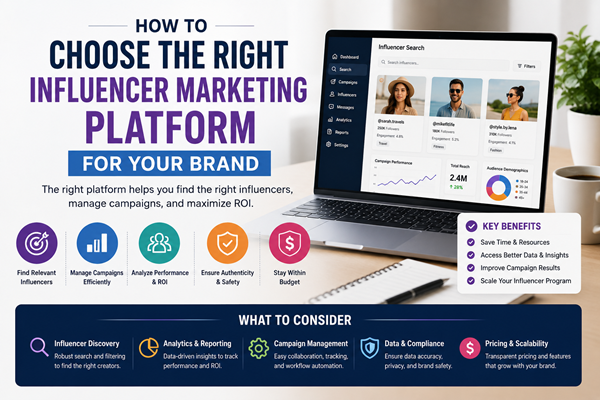
How to choose the right platform for your brand
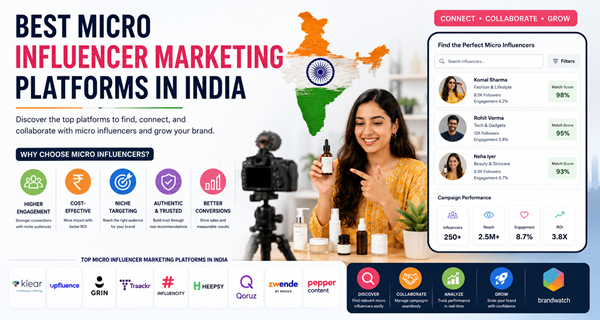
The best influencer marketing platform depends on a brand’s size, goals, and campaign style. A Shopify-based D2C brand may benefit most from GRIN or Upfluence because of their eCommerce and affiliate features. A multinational company running campaigns in several regions may need CreatorIQ or Traackr for governance, analytics, and scalability.
Growing brands that want an all-in-one workflow should consider Aspire, while startups and smaller businesses may find Influencity or Heepsy more practical. The key is to choose a platform that supports the brand’s actual marketing process, not just one with the most features.
The features that matter most in 2026
Influencer marketing platforms are becoming more intelligent and performance-focused. In 2026, brands should pay close attention to AI-powered creator recommendations, fraud detection, creator relationship management, automated outreach, UGC rights management, affiliate tracking, and revenue attribution.
Platforms that can connect influencer activity to sales, leads, or other measurable business outcomes are becoming especially valuable. At the same time, authenticity still matters. The best tools should help brands build real relationships with creators, not reduce partnerships to purely transactional exchanges.
Final verdict
Influencer marketing is no longer just about finding creators with large followings. In 2026, the most successful brands are using platforms that help them build authentic partnerships, manage campaigns efficiently, and understand the real business impact of creator collaborations.
For most D2C and eCommerce brands, GRIN remains one of the strongest overall choices because of its creator relationship management and Shopify integrations. CreatorIQ is the best fit for enterprise organizations, while Aspire offers an excellent all-in-one solution for growing brands. Upfluence is particularly strong for affiliate-driven campaigns, and Influencity provides a solid budget-friendly option for smaller businesses.
Before choosing a platform, brands should define their campaign goals, budget, preferred social channels, and reporting needs. The right influencer marketing platform should not only help find creators, but also make it easier to build long-term partnerships, measure ROI, and scale campaigns with confidence.