





















































































































































































































































































































































































Influencer Marketing Trends in India: What’s Changing in 2026?
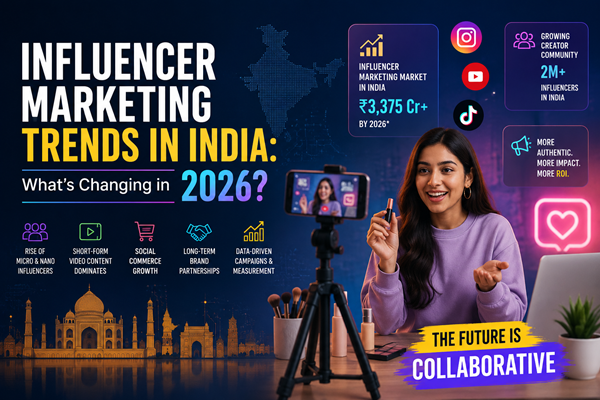
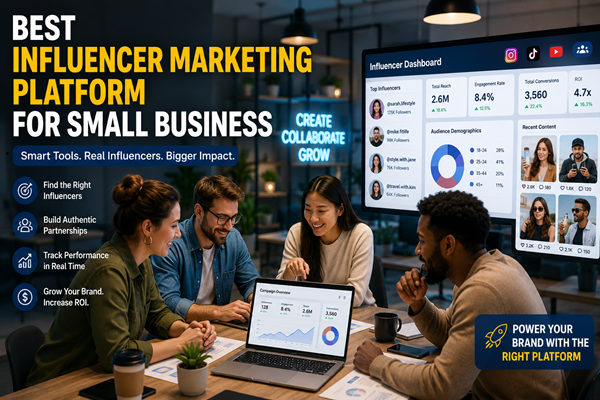
Influencer marketing in India has entered a completely different phase than what brands were used to just a few years ago. What once started as a performance-driven experiment on Instagram has now evolved into a full-fledged ecosystem powered by short-form video, regional creators, AI-driven campaign management, and increasingly sophisticated consumer expectations.
In 2026, influencer marketing is no longer just about visibility. It has become about trust, cultural relevance, and measurable business outcomes. Brands are no longer asking “How many people saw this campaign?” Instead, they are asking “Did this campaign actually influence buying behavior?”
This shift is forcing marketers in India to rethink not only how they choose influencers but also how they design campaigns, measure performance, and build long-term creator relationships. And because India has one of the fastest-growing and most diverse creator economies in the world, these changes are happening even faster here than in many global markets.
Let’s take a closer look at what is really changing in 2026.
The Rise of Regional and Vernacular Influencers
One of the most significant shifts in India’s influencer landscape is the explosive growth of regional creators. While English-speaking influencers still dominate certain categories, a large portion of engagement now comes from content created in Hindi, Tamil, Telugu, Bengali, Marathi, Malayalam, and other regional languages.
This is not just a content trend—it reflects a deeper behavioral change in how audiences consume information online. Users are increasingly engaging with creators who speak their language, understand their culture, and reflect their everyday experiences.
For brands, this means national campaigns built only around metro-city influencers are no longer enough. A skincare brand, for example, may now need different creators for North India, South India, and Tier 2 cities to achieve meaningful reach and conversion.
Regional influencers are not just more relatable—they are often more trusted. Their communities are tightly connected, and recommendations feel more personal than promotional.
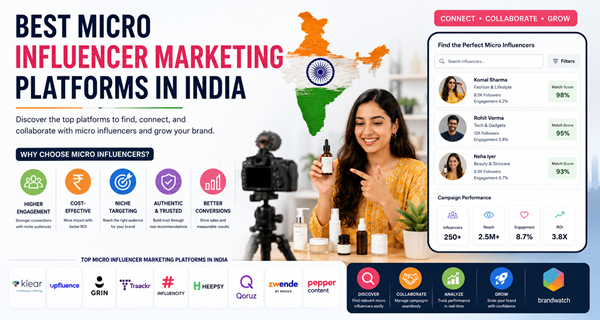
Micro and Nano Influencers Are Driving Real ROI
While macro influencers still play a role in brand awareness campaigns, 2026 is clearly the era of micro and nano influencers in India.
Micro influencers (10K–100K followers) and nano influencers (under 10K followers) are delivering significantly higher engagement rates compared to larger creators. Their audiences tend to be more loyal, more interactive, and more likely to act on recommendations.
Brands are realizing that smaller creators often produce better conversion results because their content feels less commercial and more like personal advice.
Instead of paying for one expensive celebrity post, brands are now investing in hundreds of smaller creators to generate sustained visibility and trust across multiple communities.
This shift is also making influencer marketing more scalable for startups and D2C brands that previously could not afford big-name endorsements.
Short-Form Video Continues to Dominate
If there is one format that defines influencer marketing in India today, it is short-form video.
Platforms like Instagram Reels, YouTube Shorts, and regional apps such as Moj and Josh have completely changed how audiences consume content. Attention spans are shorter, but engagement is deeper when content feels authentic.
Influencers are no longer just posting static images or long captions. They are creating storytelling-driven videos that demonstrate products, explain experiences, and build emotional connections in under 60 seconds.
For brands, this means creative strategy matters more than ever. A simple product placement is no longer enough. The content must entertain, educate, or emotionally engage the viewer almost instantly.
In 2026, campaigns that fail to adapt to video-first storytelling struggle to gain traction, regardless of budget.
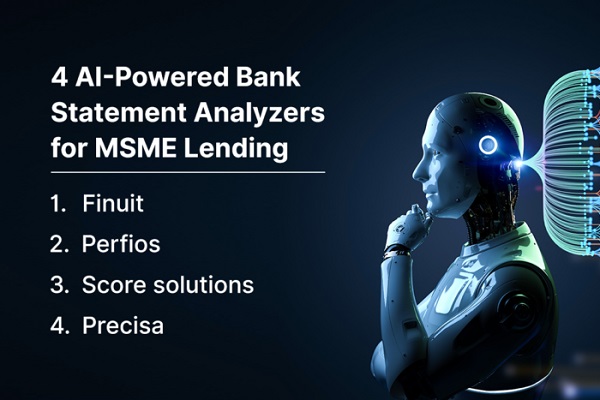
AI Is Changing How Brands Discover Influencers
Artificial intelligence has quietly become one of the most important forces shaping influencer marketing in India.
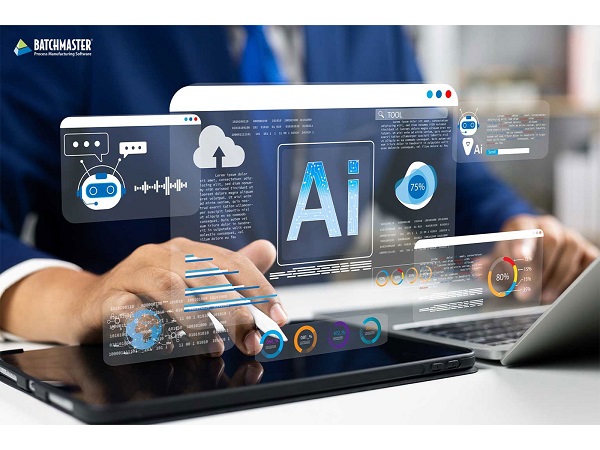
Brands are no longer manually searching hashtags or scrolling through social media profiles to find creators. Instead, AI-powered platforms now analyze millions of data points to recommend influencers based on audience quality, engagement authenticity, niche relevance, and past campaign performance.
This shift is significantly reducing the time required to launch campaigns while improving accuracy in creator selection.
AI is also helping detect fake followers, engagement manipulation, and low-quality accounts—issues that previously cost brands a significant portion of their influencer budgets.
More advanced systems are even beginning to predict campaign performance before a collaboration starts, allowing marketers to make more informed decisions.
Influencer Marketing Is Becoming Performance-Driven
A major transformation in 2026 is the shift from awareness-based campaigns to performance-based influencer marketing.
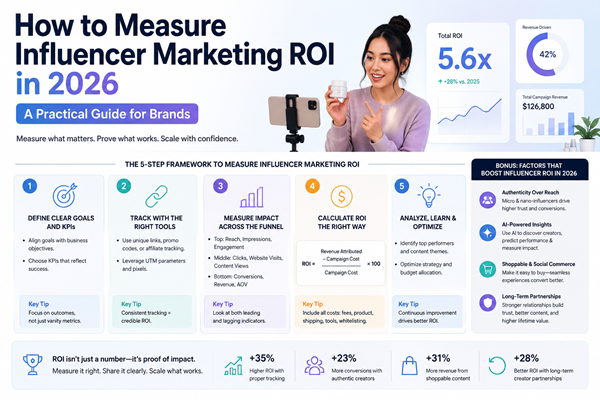
Earlier, success was often measured in likes, views, and impressions. Today, brands want to see tangible outcomes such as website traffic, product sales, app installs, lead generation, and customer acquisition.
This has led to the rise of affiliate influencer models, where creators earn based on conversions rather than fixed fees.
For D2C brands and eCommerce companies in India, this model is particularly powerful because it directly connects influencer activity with revenue generation.
As a result, influencer marketing is no longer treated as a branding expense—it is increasingly seen as a measurable growth channel.
Creator-Led Communities Are Becoming More Important
Another emerging trend is the rise of long-term creator partnerships and communities.
Instead of running one-off campaigns with multiple influencers, brands are now focusing on building consistent relationships with a smaller group of creators who become long-term brand advocates.
These creators often produce recurring content, participate in product launches, and act as ongoing storytellers for the brand.
This approach not only improves authenticity but also strengthens brand recall over time.
In India, where trust plays a crucial role in purchasing decisions, these long-term relationships are proving far more effective than isolated promotions.
Social Commerce Is Blurring the Line Between Content and Sales
The boundary between content creation and eCommerce is rapidly disappearing.
Influencers are no longer just influencing purchase decisions—they are directly driving sales through integrated shopping features on platforms like Instagram, YouTube, and emerging social commerce ecosystems.
Users can now discover a product in a video and complete the purchase without leaving the platform.
For brands, this means influencer marketing is no longer just a top-of-funnel strategy. It now plays a direct role in revenue generation and customer acquisition.
This integration of content and commerce is expected to deepen further in the coming years.
The Shift Toward Authenticity Over Production Value
One of the most interesting changes in India’s influencer ecosystem is the declining importance of high production value.
Audiences are increasingly drawn to content that feels real, unfiltered, and relatable. Overly polished brand-style videos often perform worse than casual, conversational content created by influencers in their natural environment.
This shift is forcing brands to rethink their creative direction. Instead of controlling every aspect of production, marketers are giving creators more freedom to tell stories in their own voice.
Authenticity has become more valuable than aesthetics.
Final Thoughts
Influencer marketing in India is evolving rapidly, but the direction is clear. The industry is moving toward authenticity, performance measurement, AI-driven decision-making, regional diversity, and long-term creator relationships.
Brands that continue to rely on outdated strategies—such as focusing only on follower counts or one-time celebrity endorsements—will find it increasingly difficult to compete in a crowded digital landscape.
On the other hand, brands that embrace micro influencers, invest in data-driven platforms, adopt performance-based models, and prioritize authentic storytelling will be well-positioned to succeed in 2026 and beyond.
Influencer marketing is no longer just a marketing tactic in India. It has become a core part of how modern consumers discover, evaluate, and trust brands.